
Before You Buy Another Bin: Why Most Organization Fails
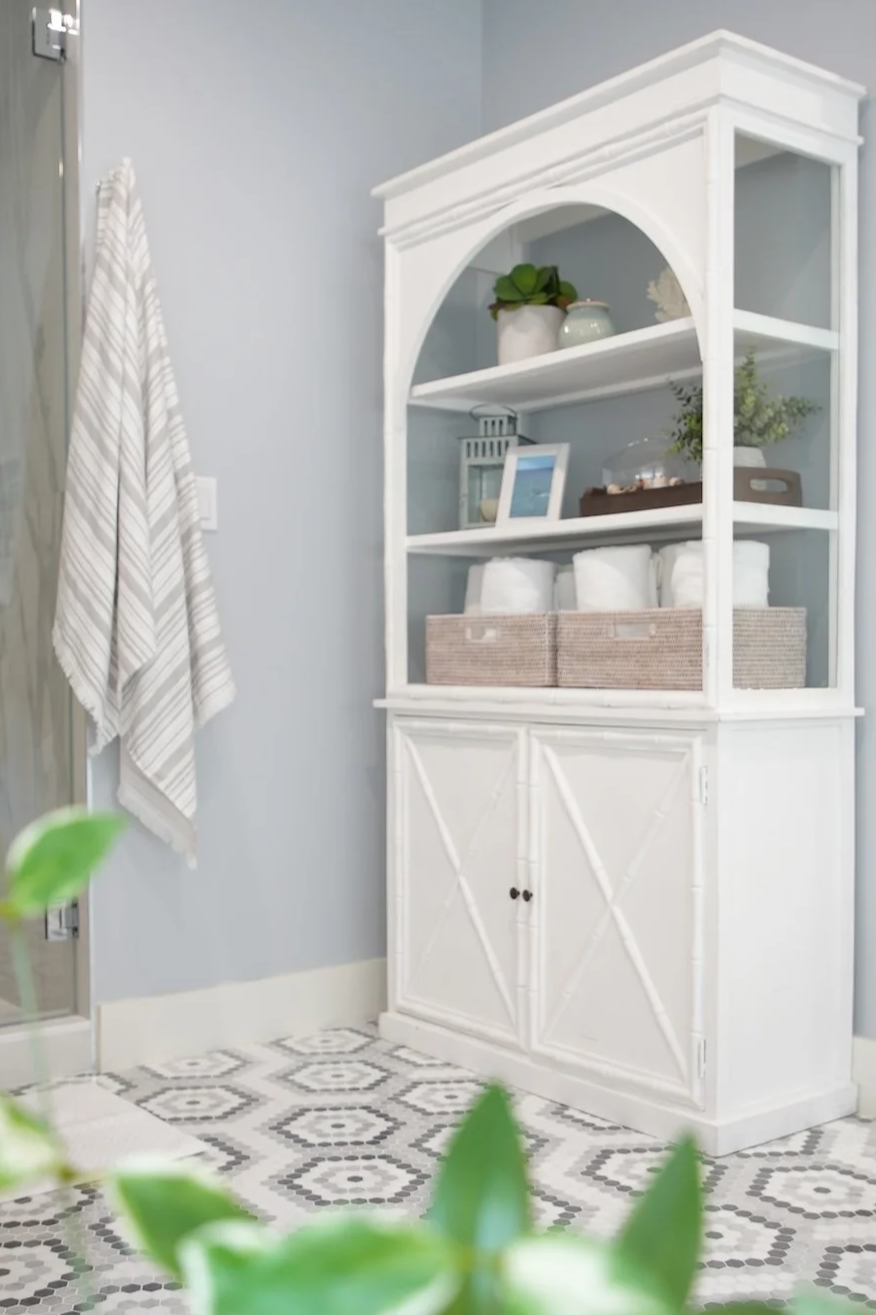
Most organization fails for one simple reason: people never stop to think it through.
They buy storage before they’ve decided how they actually use a space. They reorganize drawers without understanding daily routines. They copy systems from Instagram that look good — but quietly work against their real life.
This isn’t just an organizing problem. It’s a design problem.
And while January often makes us feel like everything has to happen at once, it doesn’t. January can simply be the time to think it through — to observe how you move through your home, notice what creates friction, and start in the areas aligned with the intentions you have for the new year.
Maybe that’s finally pulling one closet together so getting dressed doesn’t feel chaotic. Maybe it’s setting up one small zone that supports a goal you actually care about this year. Once you shift how you think about organization, everything starts to move more easily.
So before you buy anything or attempt a full reset, there are a few core ideas worth getting clear on — not steps to follow, but ways of thinking that determine whether organization will actually work in real life.
✨ Before buying bins, furniture, or decor, it helps to step back and evaluate how your home actually works. My Free No-Fail 10-Step Home Design Checklist walks through the same thoughtful process designers use to create homes that feel beautiful, functional, and easy to live in.
(It opens in a new tab so you won’t lose your place.)
Design for How You Actually Live (Not Pinterest Organization)
This is the question I make clients answer — even when they resist it at first: How do you want this space to serve you?
Not how it should look, but how you actually move through it, every day.
You can ask yourself:
How do you want your bathroom to support your morning routine?
How do you want your closet to feel when you’re getting dressed?
How do you actually use your kitchen on a weekday — not when you’re hosting?
For example, if you make tea on weekend mornings and then go back to bed to read or journal before the house wakes, maybe an electric kettle and a small drink station in the bedroom makes sense. That might sound indulgent… but it’s really just thoughtful.
The takeaway is simple: when everything is already there and ready, the resistance to starting fades.
When a space supports how you live, friction drops…and relief follows. Clarity and purpose are calming.
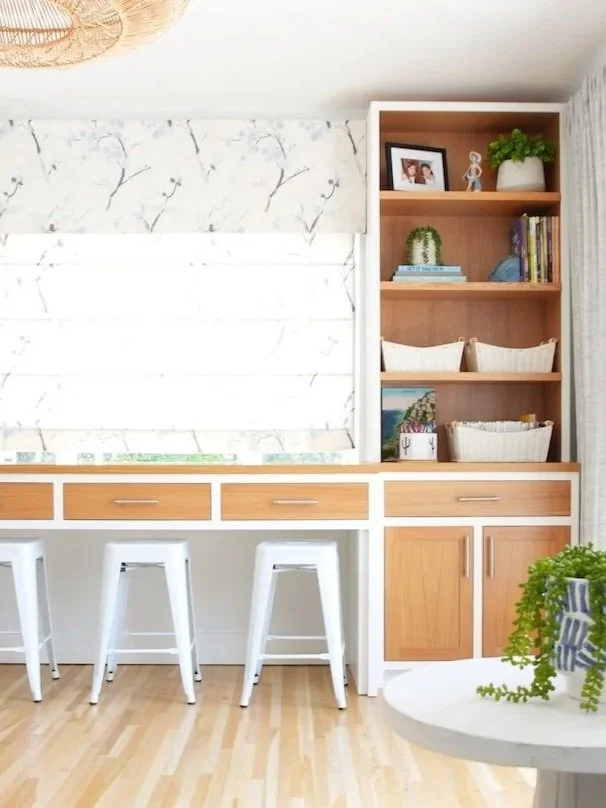
Fewer Steps = Stronger Organization Systems
Here’s my non-negotiable: Storage cannot require too many steps.
Too much stacking… too many things in front of other things… too much lifting, moving, or rearranging just to reach what you need.
The goal isn't perfect labels or endless containers — it's creating home organization systems that actually work for the way you live. Even small shifts matter. Stackable clear bins allow you to lift one unit instead of five individual items while still seeing everything.
That kind of thinking is what makes a system work — not labeling everything and hoping for the best. Hope is not a system.
The Right Things Beat More Things
I’m disciplined about this. And it’s intentional.
I don’t keep endless backups. I don’t buy multiples “just in case.” I don’t want five versions of the same thing complicating my environment or my decisions.
Having the right item creates less confusion, more efficiency, and more satisfaction.
For a long time, I had one potato peeler. That worked. As my kids got older and started helping in the kitchen, we added a couple more…thoughtfully, when the need actually appeared. It even became a sweet, affordable holiday gift for them to give me.
That’s how things should enter your home: with purpose.
Beauty Is Part of the Function
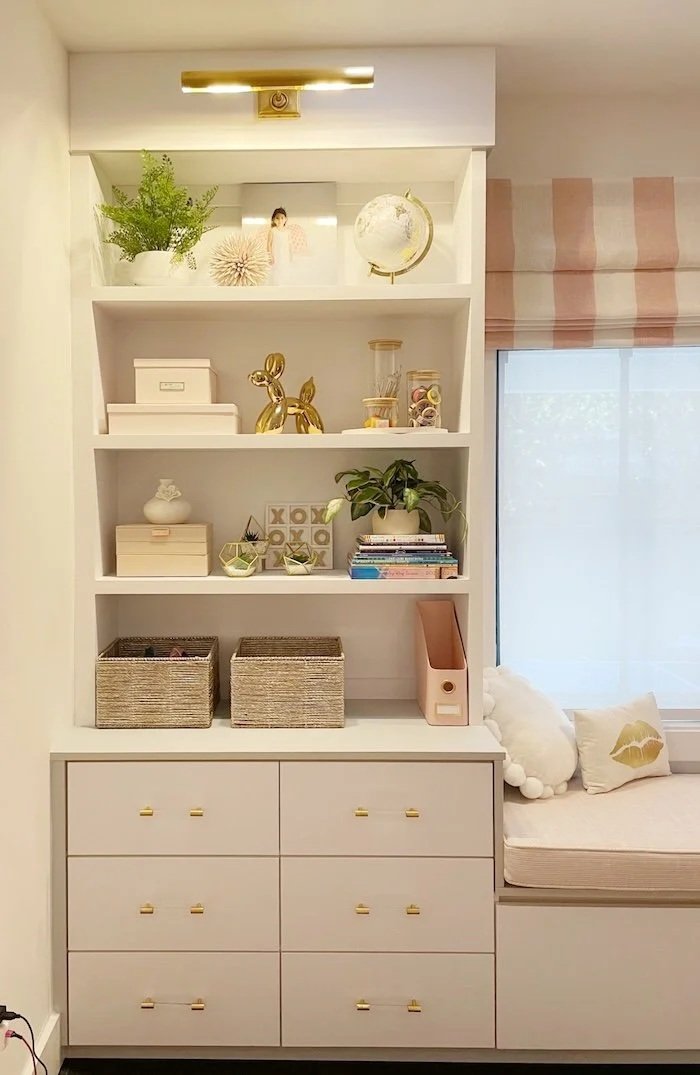
I want to be clear about this: beauty is part of the function for me.
Uniformity, cohesion, and visual calm elevate the everyday. When a drawer or cabinet is consistent in material and layout, it genuinely feels like a breath of fresh air.
That’s why decanting is worth it. That’s why mixing a dozen brands and boxes in different colors often feels noisy to my brain.
The mundane can be beautiful and functional now — and when it is, systems are easier to maintain because they feel satisfying to return to, not like work.
No fluff. Just hardworking beauty.
Accessibility Is What Makes Systems Stick
If something is stored in a difficult place, you won’t use it. Period.
Systems need to assume moments of urgency, fatigue, or interruption because life doesn’t always give you time to “be organized.” That’s why certain things in our home are always prepared, always in the same place, and accessible without thought.
When everyone knows where things live, transitions are easier. I can step out and step back in without the entire household unraveling. That’s not about perfection… it’s about support.
I once opened a drawer next to an oven in a friend’s house and found restaurant menus instead of cooking tools — a simple fix that changed everything.
Resistance is what breaks systems. Accessibility removes resistance.
✨ When you step back and evaluate how a home actually functions, organization becomes much simpler. If you'd like a structured way to do this, my 10-Step Home Design Checklist walks through the same framework I use with design clients to create spaces that truly work.
Why This Matters for Families
When everything has a place, daily fatigue drops…for everyone.
Clear systems give kids responsibility without lectures. If they don’t follow the routine and can’t find what they need, they problem-solve. They look for it. They retrace their steps. And as long as one person isn’t always swooping in to resolve it for them, they begin to understand something important: systems make life easier.
Over time, they feel the difference themselves. Things aren’t lost as often. Mornings move faster. Frustration fades. Systems stop feeling like rules and start feeling like support.
Good systems don’t just organize objects. They organize energy.
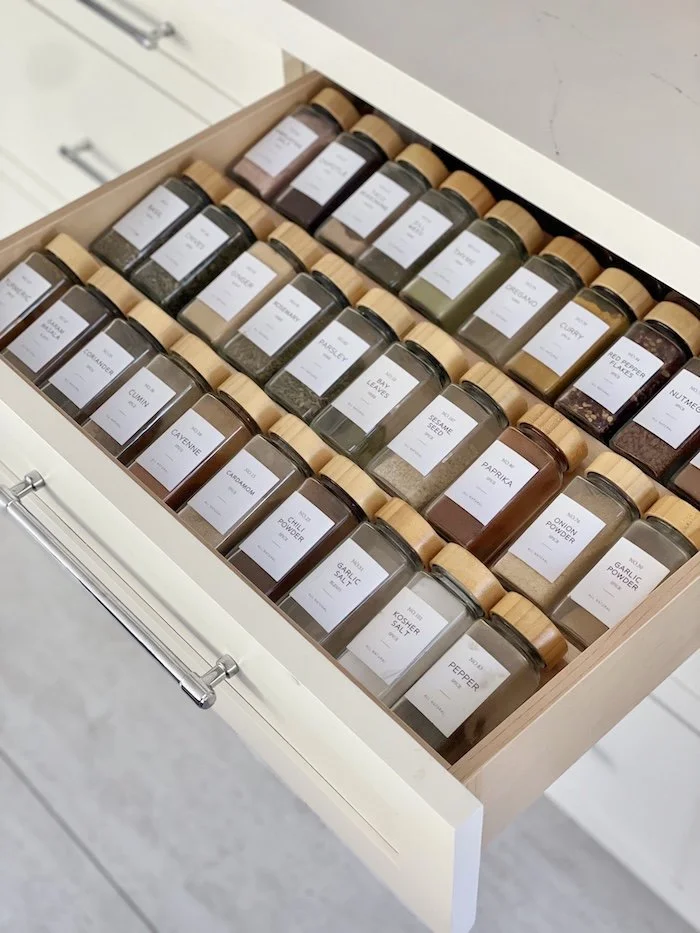
Do This First — Then You Get to Shop
Once you’ve done the thinking above — how you live, what creates friction, and where systems need to support you — you’re ready for the next part.
This doesn’t mean everything is finished. It means the system is clear.
You know what actually needs a container. You know where things should live. You know what’s worth investing in…and what isn’t.
This is when you get to shop.
This is when you grab a measuring tape, look at your drawers and shelves with fresh eyes, and choose tools that fit your system, not someone else’s. When you approach organizing your home this way, storage tools become solutions, not guesses.
In the coming weeks, I’ll be sharing real examples, videos, and the storage tools I actually rely on — walking through what I measure, why certain tools work, and how I decide what earns a place in my home. Follow on my social channels (icons below)!
Because thinking comes first. Shopping comes second. And that’s when organization finally works.
Ready to rethink your space before buying more storage solutions? Download the Free No-Fail 10-Step Home Design Checklist and walk through the same process designers use to create homes that feel organized, intentional, and easy to live in.
(It opens in a new tab so you can download it instantly.)
If you're craving a deeper reset beyond just organizing a few spaces, my guide The Real Reset explores the mindset and rhythms that help a home feel calmer, more intentional, and truly supportive of everyday life.